• Terms and Conditions
  • Privacy Policy
  • How to contact us
Thursday, July 16, 2026
No Result
View All Result
Young Women For Life
OUR NEWSLETTER
  • Home
  • About Us
    • Staff
    • Mission
    • How to contact us
  • OUR WORK
    • Access to justice for rape survivors
    • YWFL School for activists: Life skills and advocacy skills training using community dialogues
    • Using taverns as an instrument of social mobilization
    • Economic empowerment
    • Challenging policies and duty bearers
  • the voices in the slums: stories by citizen journalists
  • Newsletter
  • News \ Articles
  • Home
  • About Us
    • Staff
    • Mission
    • How to contact us
  • OUR WORK
    • Access to justice for rape survivors
    • YWFL School for activists: Life skills and advocacy skills training using community dialogues
    • Using taverns as an instrument of social mobilization
    • Economic empowerment
    • Challenging policies and duty bearers
  • the voices in the slums: stories by citizen journalists
  • Newsletter
  • News \ Articles
No Result
View All Result
Young Women For Life
No Result
View All Result
Home Ministry to slums and informal settlements

Government must take plight of small scale farmers seriously during Covid-19

March 2, 2025
in Ministry to slums and informal settlements
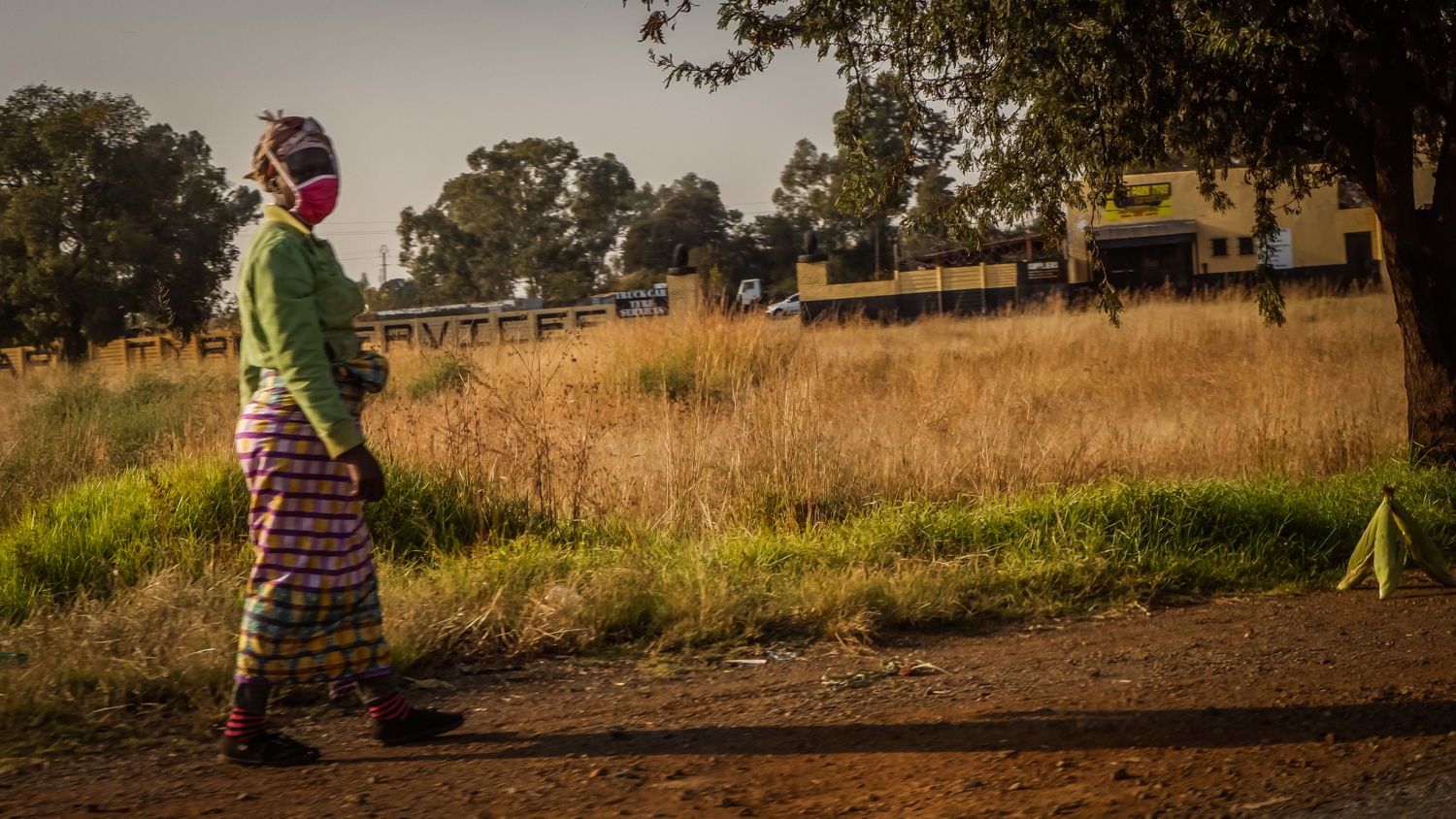
Government must take plight of small scale farmers seriously during Covid-19
Share on FacebookShare on Twitter

The proposed R500 billion stimulus package, which President Cyril Ramaphosa announced last month, intends to lessen the financial impact of Covid-19 while bolstering our economy and making it more resilient to future crises.

Small-scale and subsistence farmers, an often-forgotten group despite comprising 2.5 million individuals, are among the emergency relief beneficiaries. According to the policy Brief 55 by the Institute for Poverty, Land and Agrarian Studies of the University of the Western Cape, the growers have suffered tremendously, more so than their large commercial counterparts.

Closing fresh produce markets and the initial curtailing of street vendors have been described as culprits. Most small-scale producers are locked out of the supermarket supply chains.

The problems are hurting their customers too, especially poor rural and urban communities who do not have the physical or financial access to mainstream food supplies. This is a contributing factor to our rising hunger problem.

Last week, Agriculture, Land Reform and Rural Development Minister Thoko Didiza announced that small-holder agriculturalists would get R1.2bn in relief. Of that amount, the government has allocated R500 million to about 15000 applicants, just under a third of those who applied for help (55000). The one-off grant will vary in value from operation to operation, but will not exceed R50000.

While well-intended, the proposed aid will not do much to help small-scale farmers deal with the impact of Covid-19 and the pandemic’s aftermath. The situation is just one of the many problems they are facing and is amplifying the challenges. I am talking about their systematic exclusion from mainstream supply chains, the poor access to financial services, infrastructure constraints, and the struggle to get hold of quality outputs.

The government has done a good job to ensure formal food networks, supply chain values and food trade are not severely disrupted. However, the measures are more of a benefit to commercial agriculturalists than small-scale producers. For decades, the government’s policies have been biased towards large-scale commercial agriculture, at the expense of small-scale producers and rural communities.

If the government is taking the plight of small-scale farmers as seriously as it says it is, writing out relief cheques should be the first step of a multistakeholder strategy to helping them build and strengthen their businesses, farm more food, improve market access, and feed more people. Efforts should also be made to ensure fairer market conditions. Additionally, addressing land inequalities and the need to fast-track land redistribution in a manner that benefits women should receive serious attention.

The policy and financial investment in small-scale producers as a critical component of the food system will also create more jobs where they are needed the most, namely in rural areas, while developing rural economies and lowering people’s reliance on social grants. Investing sustainably and meaningfully in small-holder farmers will save the government millions, perhaps billions a year, which can be invested in solving other social problems, of which we have many. It is a win-win-win strategy.


Next Post
Single mother’s daily ordeal to feed family during lockdown

Single mother's daily ordeal to feed family during lockdown

Connect with us

Recommended

Find your perfect gypsy match on

8 months ago

Bacará online: guía para jugadores peruanos

5 months ago

SACBC Justice and Peace Commission is an agency of the Southern African Catholic Bishops’ Conference.
Its mission and role: “To proclaim the good news to the poor, to proclaim freedom for the prisoners and recovery of sight for the blind, to set the oppressed free.” (Luke 4:18).

  • Terms and Conditions
  • Privacy Policy
  • How to contact us

© 2025 Young Women For Life All Rights Reserved. Designed by Vasiliki Technologies.

No Result
View All Result
  • Home
  • About Us
    • Staff
    • Mission
  • Take Action
    • Access to justice for rape survivors
    • Challenging policies and duty bearers
    • Using taverns as an instrument of social mobilization
    • Economic empowerment
    • YWFL School for activists: Life skills and advocacy skills training using community dialogues
  • News \ Articles
  • Newsletter
  • How to contact us

© 2025 Young Women For Life All Rights Reserved. Designed by Vasiliki Technologies.

Login to your account below

Forgotten Password?

Fill the forms bellow to register

All fields are required. Log In

Retrieve your password

Please enter your username or email address to reset your password.

Log In