

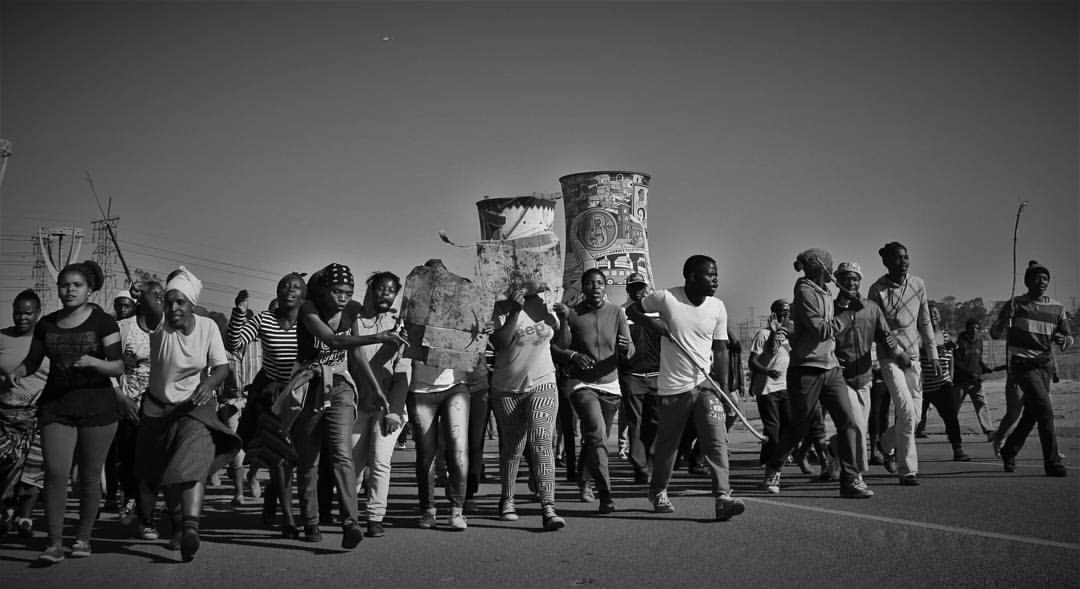
PROBLEM OF YOUTH UNEMPLOYMENT MUST BE TACKLED, BISHOPS TELL POLITICIANS
As the country celebrated labour day on Sunday, the young women for life said that it is deeply worried about the growing number of unemployed young people. The commission has also called on the government to rethink its policy on youth wage subsidy and its ability to make a significant dent on the current levels of youth unemployment.
“The statistics recently released by Stats SA on the state of youth unemployment and poverty in the country indicate that youth wage subsidy scheme has not been effective in eradicating youth unemployment. Despite the subsidy scheme, youth unemployment has risen from 3.14 million in 2009 to its current level of 3.38 million.” Nuh Gabuza, spokesperson for young women for life, has said.
As an employment tax incentive, the youth wage subsidy is meant to give money to businesses to encourage them to employ young people. The government introduced the programme in January 2014 and is supposed to end on December 31 this year.
However, the 2016 Budget vote indicates that the programme will be reviewed in the third quarter of 2016 with a view to extending its life for another year. Nuh Gabuza does not believe the extension should be considered.“By the end of December this year, the programme is supposed to create 423 000 new jobs of which 178 000 would be net new jobs.
Even if it manages to achieve its intended objectives, it would still fall far short of the more than 3.2 million job opportunities for the youth that the country needs”. The young women for life also wants the government to ask serious questions about destructive churning and indecent jobs that are associated with the youth wage subsidy.
“We have received many complaints from of our young people who are fired at the end of the subsidy period without adequate skills necessary to find a new job. We are also concerned about the systemic marginalisation of the rural youth by the programme. We need better and inclusive interventional measures against youth unemployment.”
The interventional measures should particularly focus on the underlying causes of youth unemployment that one finds both on the demand and supply side of the job market. This should include efforts to address investment strike by the private sector and intervention measures to tackle the domestic barriers to economic growth and skills development.
The young women for life also believes that South Africans should be worried about unfettered capitalism because “the realities of youth unemployment in our country are a symptom of a deeper problem of unfettered capitalism which has created a global economic mess that the capitalists themselves are failing to address.”
Nuh Gabuza has therefore warned that: “in a world where dignity of work is increasingly subordinated to the power of profit, we have created a throw away society where a deep appreciation of the dignity of work is lost and where its youth and its elders are reduced to cost of production which can be easily discarded when it is not needed.”


